Outboard Turning Over But Won't Start? 3 Common Causes
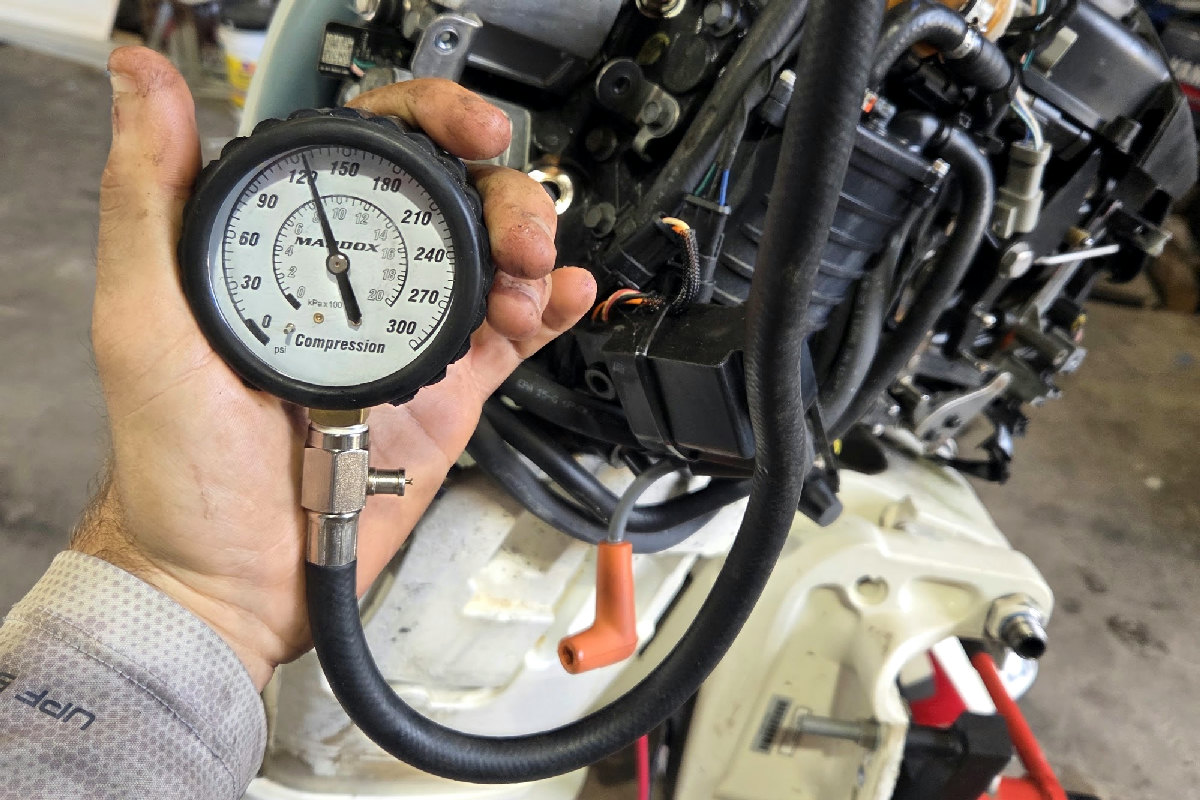
When your outboard engine turns over briskly but refuses to fire up, it usually comes down to a failure in one of three essential systems: fuel delivery, ignition spark, or safety cut-offs. If your starter is spinning the flywheel, your battery and starter motor are doing their job, but the engine isn't getting what it needs to catch. In Central Florida lakes, warm water and high humidity create a unique environment where bad fuel, corrosion, and electrical failure quickly leave boaters stranded at the dock.
1. Fuel Delivery Issues (Ethanol and Phased Water Separation)
Fuel problems are responsible for the vast majority of no-start complaints on the Clermont Chain of Lakes. Modern pump gas contains ethanol, which absorbs moisture from the humid Florida air. Over time, the ethanol and water separate from the gasoline, settling at the bottom of your fuel tank right where the pickup line draws fuel.
Here is what to check on your fuel line:
- Squeeze the primer bulb: If the bulb stays soft after several pumps, or collapses completely while cranking, you have a restriction, a bad check valve, or an air leak in the line.
- Check the fuel/water separator: Unscrew the filter canister and pour the contents into a clear glass jar. If you see distinct layers of liquid, you have water contamination that prevents combustion.
- Inspect fuel lines for dry rot: Ethanol breaks down internal rubber linings, causing inner walls to collapse or shed debris directly into your vapor separation tank (VST) or carburetors.
2. Safety Kill Switch and Neutral Safety Switches
It sounds simple, but a misplaced emergency lanyard or a faulty neutral safety switch stops ignition spark instantly, even while the starter motor turns the engine over without issue.
Before digging deeper into mechanical components, confirm that your safety lanyard clip is firmly pushing the kill switch toggle inward. Over time, UV exposure degrades these plastic clips, preventing them from pressing the internal switch deep enough to ground the ignition circuit properly. Additionally, move your throttle control lever back and forth before placing it firmly into neutral; a misadjusted shift cable can keep the switch open just enough to cut spark.
3. Ignition and Electrical System Failures
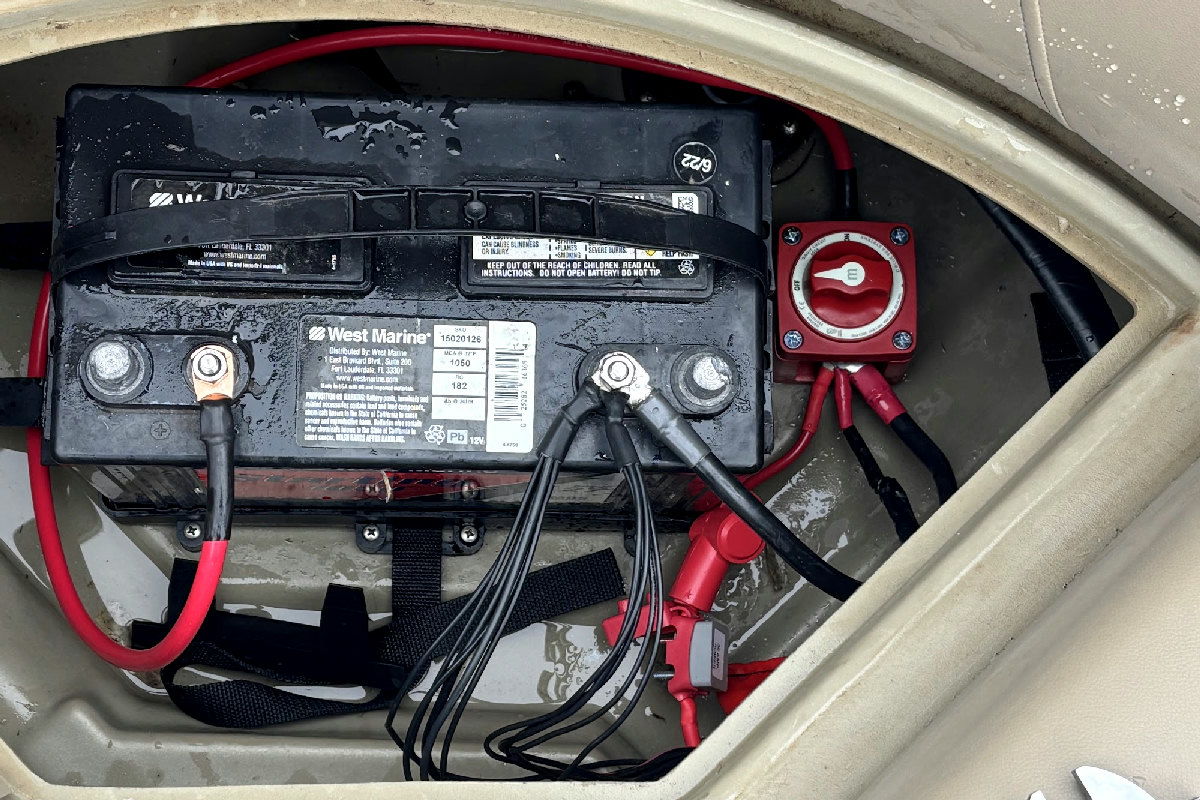
If your engine has clean fuel and the safety switch is fully engaged, an ignition failure is likely stopping spark from reaching the cylinders. Humidity and freshwater condensation cause hidden corrosion on electrical terminals, stators, and ignition coils.
Common electrical causes for cranking without starting include:
- Fouled or corroded spark plugs: Pull your spark plugs and inspect the electrode ends. Heavy carbon buildup, oil fouling, or rust will prevent a strong gap spark.
- Failed ignition coils or stator: The stator generates power for the ignition system while cranking. If internal windings break down from heat or age, the coils cannot produce ignition voltage.
- Corroded ground wires: A loose or rusty ground wire on the engine block breaks the electrical circuit required for the ignition module to trigger pulse signals.
If you suspect an electrical fault, review our guide on outboard marine electrical repair in Clermont for more details on power distribution issues.
When to Call a Professional Mechanic
Basic checks like verifying fuel flow and resetting your kill switch are great dockside steps. However, if your fuel system is contaminated or computer diagnostics are required to trace ignition signal loss, pushing further without proper gear can damage delicate electronic control units (ECUs) or high-pressure fuel pumps.
If you run through initial troubleshooting and your motor still will not fire, it is time to have an experienced mechanic put the engine on diagnostic software. If you've addressed the basics and suspect heat-related cooling damage caused an underlying shutdown, read our guide on outboard water pump failure signs to prevent costly powerhead damage.
Frequently Asked Questions
Why does my outboard turn over strong but show no sign of firing?
A strong crank means your battery, starter solenoid, and starter motor work fine. The engine lacks either fuel delivery (clogged injectors/carbs, water in fuel) or ignition spark (bad kill switch, failed ignition coils, blown main fuse).
Can bad fuel cause an engine to crank without starting?
Yes. Water-contaminated fuel or phase-separated ethanol gas will not ignite under compression. If water enters your fuel injectors or carburetor bowls, the engine will turn over continuously without starting.
How do I test if my outboard is getting spark?
You can connect an inexpensive inline spark tester between a spark plug boot and the plug terminal, then crank the engine to watch for a bright blue flash. If no spark appears across any cylinder, the issue is typically electrical or safety-switch related.
Stuck at the dock or having trouble firing up your boat in Lake or Orange County? Gann Marine brings professional diagnostic tools straight to your lift, driveway, or marina with our mobile service, or you can drop your boat off at our Clermont shop. To get your motor running right, book service online or call us today at (352) 604-0577.