Fall Boat Maintenance Checklist for Clermont Chain of Lakes
Fall is when Clermont boat owners quietly make or break the next season. The lake still looks inviting in October, the afternoon storms are not finished, and the boat keeps running for a few more weekends, so maintenance gets pushed back. Then April arrives with a hard start, a plug that fouled over the summer, or an impeller that crumbled on the first outing. A fall boat maintenance routine for your outboard is cheap insurance, and it covers what a summer on the Chain of Lakes does to a motor. Here is the checklist we work through with owners in Clermont, Tavares, Groveland and Mascotte, and why each item matters on Central Florida water.
Table of Contents
- Quick Takeaways
- Why Fall Still Matters on the Chain of Lakes
- Flushing Out Weeds and Scale
- Oil and Gear Lube Before Winter Storage
- Water Pump and Impeller Replacement
- Spark Plugs, Tune-Ups and Diagnostics
- Fuel, Storage and Winter Prep
- Choosing Who Does the Work
- Frequently Asked Questions
- References
Quick Takeaways
Key Insight | Explanation |
|---|---|
Flush after every run through weeds | Vegetation and silt lodge in the cooling passages and reduce water flow. A freshwater flush after each outing slows scale and blockage. |
Change oil and check gear lube before storage | Old oil carries combustion acids and moisture into the crankcase. Gear lube can pick up water past worn seals, so check it before the boat sits. |
Replace the impeller before it fails on the water | A torn or hardened impeller overheats the motor. Fall is the cheapest time to swap it, before the spring rush. |
Stabilize fuel in a full tank | Ethanol-blended gasoline absorbs moisture and varnishes when it sits. Add stabilizer, then run the motor so treated fuel reaches the carburetors or injectors. |
Read the spark plugs and run a tune-up | Plug condition tells you how the motor is running. Catching a fouled plug in October prevents a no-start in March. |
Approve an itemized estimate before work starts | Know the parts and labor before the motor comes apart. Ask for the estimate in writing and approve it before the shop begins. |
Why Fall Still Matters on the Chain of Lakes
Hard freezes are uncommon in Central Florida, so it is tempting to treat fall as a non-event. That logic misses what a summer on these lakes does to an outboard. Warm water, aquatic vegetation, sand and silt, and long hours at trolling speed all add up, and the motor carries the cost until someone opens it up.
The fall window also works in your favor. In practice, owners who book in September and October get on the schedule faster than those who wait for the first warm weekend of spring. Early service also means a repair found in October costs you a Saturday, not a missed season.
Our position is simple: do the checklist before storage, not after the first cold snap. Waiting until spring means you are fixing problems that were preventable in the fall.
The cheapest repair on an outboard is the one you do before the engine tells you it needs it.
Pro tip: Keep a service log with the date, hours and work done for every visit. A short history makes diagnostics faster, and it shows a future buyer that the motor was looked after.
Flushing Out Weeds and Scale
Lake water is fresh, but it is not clean. Minerals leave scale inside the cooling passages, and vegetation and silt can lodge in the water inlet and thermostat housing. Both reduce cooling flow, and reduced cooling flow is one of the most common reasons a motor runs hot in July.
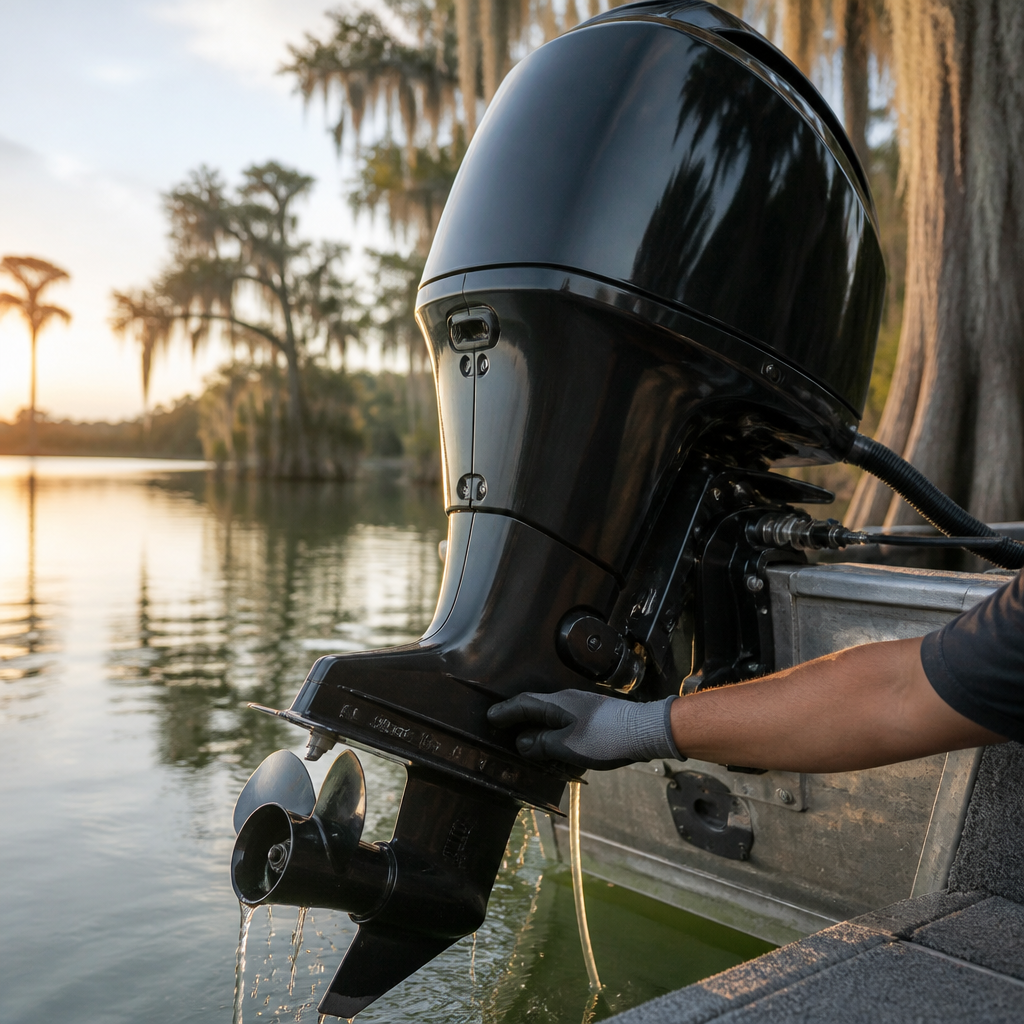
The habit we recommend is a freshwater flush after every run through weeds or silt. Connect the flush port to a garden hose, run the motor in neutral for the period your owner's manual specifies, watch for a steady telltale stream, and never let it run dry. Freshwater flushing does not remove hard scale on its own, so use a descaling product labeled for marine cooling systems on a regular schedule and follow the label.
Signs the Cooling System Is Restricted
A weak telltale stream, a sputtering stream, or a gauge or alarm that shows the motor running warmer than usual are all warnings. Stop and check the water pump and inlet before the next run. Pushing a restricted motor on a hot afternoon is how a small problem becomes a major repair.
A Flush Routine That Works
Flush immediately after each outing, not at the end of the weekend. Weeds dry into the passages, and dried vegetation is far harder to remove than wet. A five-minute flush at the ramp saves an afternoon of cleaning later.
Pro tip: After a day in shallow vegetation, flush before you trailer the boat or leave it in the slip. Dried weeds in the passages are the hardest blockage to clear.
Oil and Gear Lube Before Winter Storage
Oil is the easiest fall job to skip because the motor runs fine. Used oil carries combustion acids and moisture that sit in the crankcase for months if the boat goes into storage dirty. Change it before storage, not in spring.
Engine Oil: Change It Before You Store It
Use the oil grade and filter your manufacturer specifies for your motor. Yamaha, Mercury, Suzuki and Tohatsu each publish service intervals in their manuals, and those intervals are your baseline. If you run more hours on the lake than the average owner, shorten the interval rather than stretching it.
Gear Lube: Look for Water Before You Assume
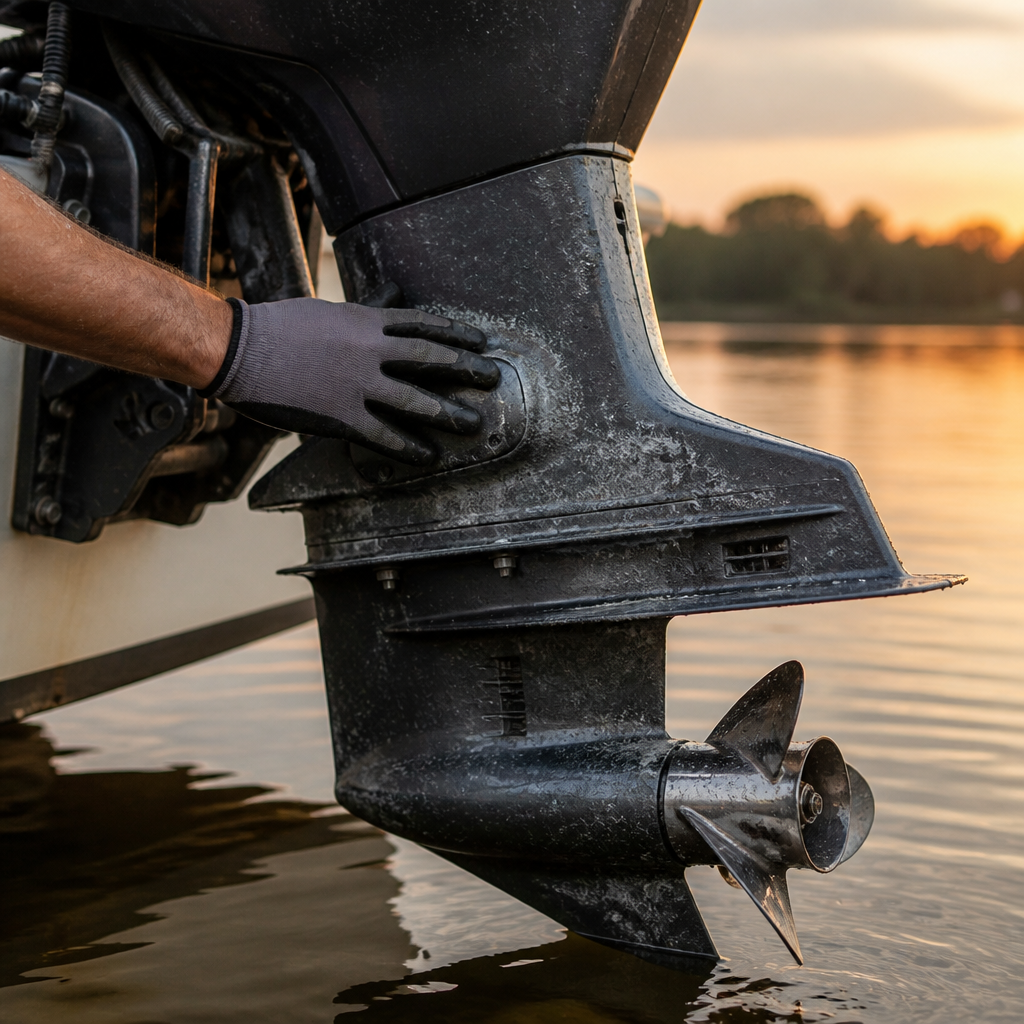
Gear lube service tells you more about the lower unit than almost any other job. Drain a sample into a clean container and look at it. Milky or creamy lube means water has entered the lower unit, usually past a seal, and it needs attention before it fails on the water. Fine metal glitter on the drain plug magnet points to gear wear that should be investigated.
Refill with the lube grade specified for your lower unit, then check the level after it settles. Guessing at the level is how owners overfill and blow seals in spring.
Water Pump and Impeller Replacement
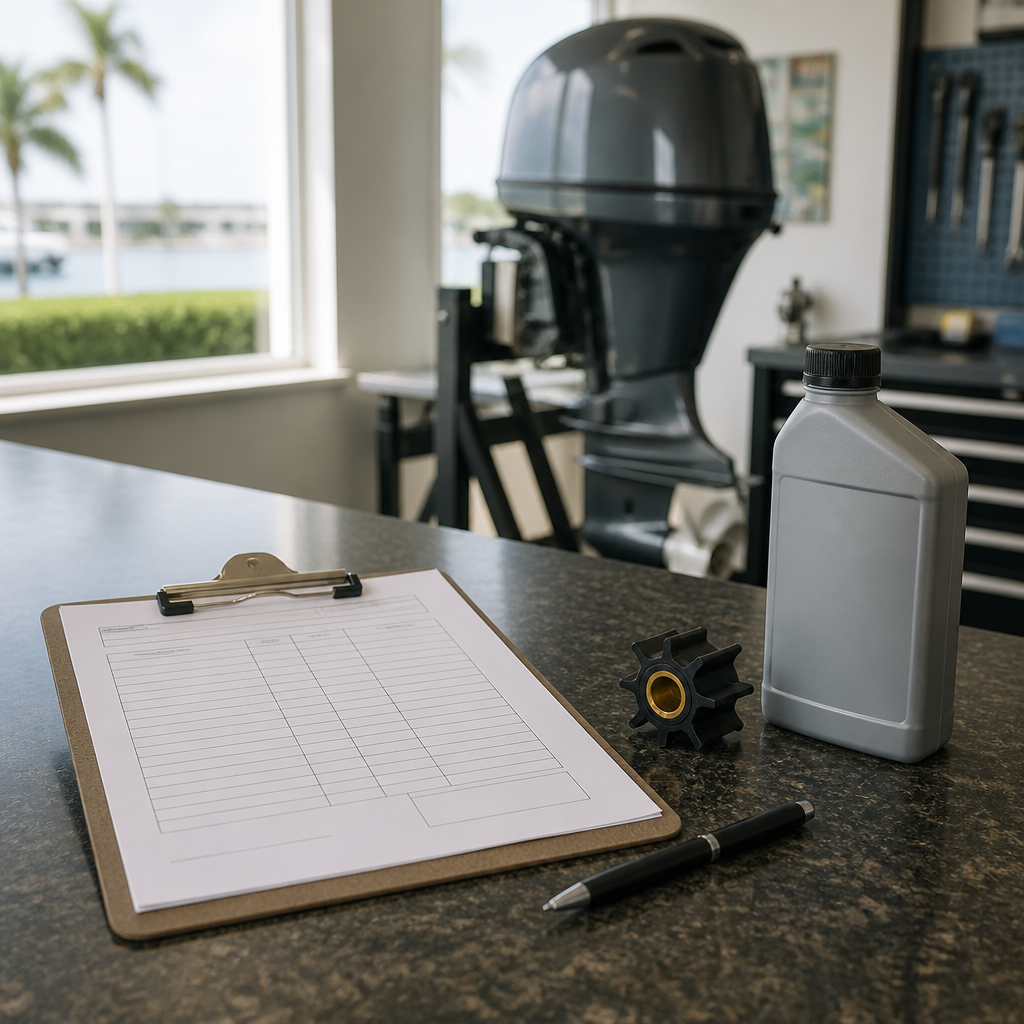
The impeller is a rubber vane component that wears every season. Lake grit and even short periods of running dry cause the vanes to set, crack and tear. Most impeller failures we see are discovered after an overheat alarm, which is the most expensive way to find one.
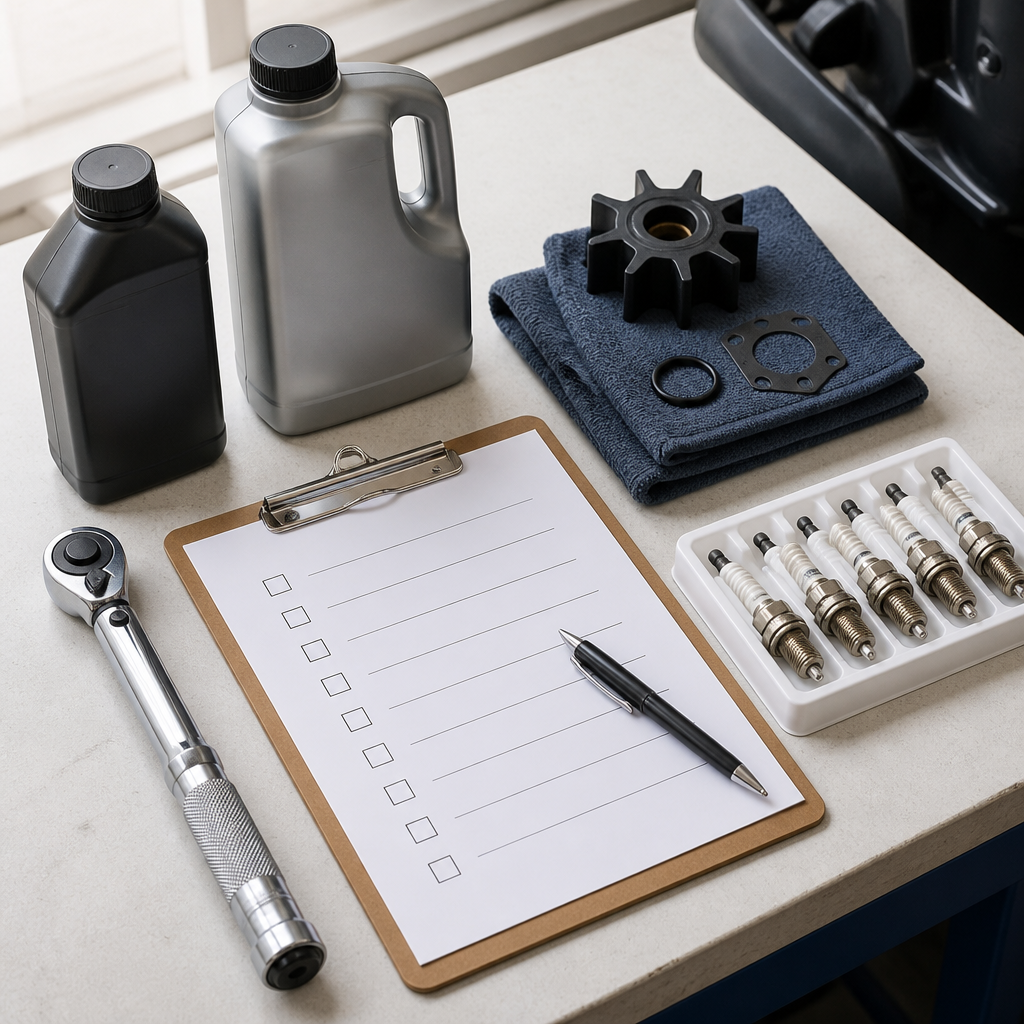
Replace the impeller on the schedule in your owner's manual, and sooner if you run in sandy or grit-laden water. Replace the water pump assembly if the housing, seals or wear plate show damage. If you can, bring the old impeller in for comparison, because a split vane or missing vane tip tells you the pump ran dry or ran against grit.
Why October Beats March
Replacing an impeller in the fall means you are not stranded on a spring Saturday with a motor that will not stay cool. It also gives you a known baseline. If the gauge climbs next season, you know the pump was new in the fall and the problem is somewhere else.
Parts: Ours or Yours
We can source parts for you, or you can supply your own. Customer-supplied parts work well when they match your motor's exact model and part number. We will tell you if a part looks wrong before we install it. Your estimate is itemized and must be approved online before any work begins, so you see parts and labor line by line.
Pro tip: Have your motor's model and serial number ready before you buy an impeller kit. Kits differ by model and year, and the wrong one wastes a trip to the shop.
Spark Plugs, Tune-Ups and Diagnostics
Spark plugs are inexpensive, but a plug failure is costly when it happens in the wrong place. A fouled plug in the fall shows up as a rough idle on the storage run. A plug that fails in spring turns a simple launch into a tow. Pull the plugs, read them, and replace the ones that look tired.
Reading the Plugs
A dry tip with light tan or gray color indicates a healthy plug. Black, sooty deposits point to a rich mixture or extended idling. Oily residue suggests oil is getting into the combustion chamber. Each deposit tells you something about the motor, not just the plug, so read them before you order replacements.
Tune-Ups as a Fall Routine
A tune-up is a set of checks, not a single part. During one visit we check the plugs, fuel and air delivery, battery connections and cooling system. Doing it in the fall means the motor goes into storage in good condition, and spring becomes a start-and-go instead of a troubleshooting session.
When You Need a Diagnostic First
If the motor runs rough, loses power or throws a warning, do not start by swapping parts. Computer and hands-on diagnostics identify the actual fault. A common mistake is replacing plugs and a fuel filter on a motor with a sensor fault, then paying for the real repair later. Diagnose first, then replace.
Fuel, Storage and Winter Prep
Fuel is where many fall jobs go wrong. Ethanol-blended gasoline absorbs moisture and can separate or varnish while it sits, and the carburetors or injectors pay for it in spring. Fill the tank, add a fuel stabilizer at the label rate, and run the motor for a few minutes so the treated fuel reaches the fuel system.
Keep the tank as full as is practical, because the air space in a partly empty tank is where condensation forms. Follow your manual on battery care and on whether any electrical connections should be disconnected for storage. Do not disconnect anything you cannot put back correctly.
Storage Position and Cover
Store the motor in the position the manual recommends, usually upright, under a cover that lets air move. A tight plastic wrap traps humidity against the powerhead and does more harm than a little dust. A breathable cover and a dry location are worth the small effort.
Recording the Storage Work
Write the date of the last oil change, the stabilizer added and the plug status on a card zip-tied to the cover. That note saves time at spring commissioning, and it keeps the spring visit focused on the boat rather than on guesswork.
Pro tip: Top off the tank before you add stabilizer. Stabilizer treats the fuel you have, so a half-empty tank leaves more air and more condensation over the winter.
Choosing Who Does the Work
Our shop is an independent outboard repair shop in Clermont, and we specialize in Yamaha, Mercury, Suzuki and Tohatsu motors. We are not a factory dealer. If your motor is under warranty, the claim belongs with the brand's dealer, and we will tell you that before we touch the motor.

For a routine fall checklist, the practical choice is a shop with one accountable mechanic who reviews your motor from start to finish. Each job begins with an itemized estimate that you approve online, and you can book by phone or online with an email confirmation. If a job is better handled somewhere else, we will say so. The table below compares the three common paths.
Approach | Best For | Watch Out For |
|---|---|---|
Owner DIY checks (flushing, visual inspection, oil and filter on simple motors) | Owners comfortable with tools and the service manual | Gear lube water and plug condition are easy to miss without proper inspection, and there is no computer diagnostic. |
Independent local shop with an itemized, approved estimate | Owners who want routine fall service and repairs from one mechanic who knows the motor | Confirm the shop works on your brand and job type before you drop the boat off. |
Brand dealer | Warranty claims and recall work | Routine service may take longer to schedule, and the dealer is the right place for warranty decisions. |
Pro tip: Ask any shop for the estimate in writing before work starts, and check that it lists parts and labor separately. A clear estimate is the fastest sign of an honest shop.
Frequently Asked Questions
How early should I start fall boat maintenance in Clermont?
Start in September or early October, so the oil, impeller and fuel work is done before the boat goes into storage. Waiting until the first cold snap leaves less time and less room in the schedule.
Do I still need fall maintenance if I use the boat through the winter?
Yes. Central Florida winters are mild compared with northern states, but boats still sit between weekends and cold snaps still happen. Keep the routine flush after each run and stay on the oil, gear lube and impeller schedule.
How often should I flush my outboard after running on Chain of Lakes water?
Flush after every outing where the motor picked up weeds or silt, and at minimum at the end of each day on the water. Use fresh water and run the motor for the duration your owner's manual specifies.
What does milky gear lube mean?
Milky or creamy gear lube means water has entered the lower unit, usually past a seal. Do not run the boat until the lower unit is inspected, because water in the gear lube can damage gears and bearings.
Is it worth replacing the impeller every year?
Replace it on the schedule in your owner's manual, and sooner if you run in sandy or grit-laden water or if the rubber shows cracks or missing vane tips. An impeller costs far less than an overheated motor.
Can I do the fall checklist if I supply my own parts?
Yes. Bring the correct part number for your motor, and we will tell you if it looks wrong before installing it. The estimate is still itemized and needs your approval online before work begins.
Tell us what your fall routine looks like on the Chain of Lakes and which item has caused you the most trouble on the water.
We would love your feedback and any insights you would share with others. What perspective would you add?
References
Checklist for boat maintenance for the fall and winter season from a Texas marina
Guide to freshwater versus saltwater boat maintenance, scale and flushing